
Following the Money: The PAISA for Panchayats Saga

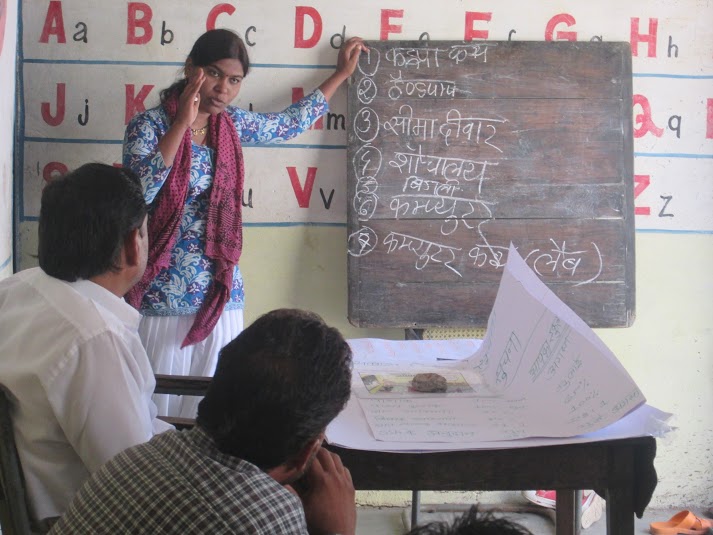
The Paisa for Panchayats project aimed to track how funds flow into the Panchayats from the State government. We chose the district of Kolar in Karnataka and aimed to find how funds are spent by the government in the jurisdictions of 30 Village Panchayats, in the taluk of Mulbagal.

The steps in doing this commenced with analysing the State budget documents, and in particular, the separate allocations made for the Panchayats, in the ‘District Sector’ budget, which is a sub-unit of the State budget. After analysing the State budget, we aimed to seek information from the State treasury and the district treasury office in Kolar, to ascertain how much of money was released to the District, Intermediate and Village Panchayats, as also various entities of the State government, which directly implemented programmes in the Panchayats. It was an easy task for Swaroop Iyengar, the team-leader for the study and a whiz with spreadsheets, to prepare the formats in which we would seek data from various sources in the supply chain of government money.

State treasury reforms are a little known aspect of how governance has been improved in Karnataka. Under the supervision of a series of quiet, but high performing Chief Executives, the treasury systems had been effectively improved, so as to make most transactions nearly seamless. Online connectivity, through high capacity satellite and fibre optical systems, had ensured that the State had real time information on how money reaches and leaves the treasury, at least up to the district level.

But what about the sub-district and Panchayat levels? We needed to find that out and we needed inside help. We started at the top, with the Chief Executive of the District Panchayat, Mr. Panali. The CEO was action personified. He immediately issued a directive to all the line departments that operated within the District, to provide information in the formats that Swaroop had devised. We seemed to be on home stretch.

Nothing could have been further from the truth.

First, nothing happened.

Then, when we trudged to each department and made gentle, then insistent noises about data being provided in our formats, we heard the glib reply that the departments did not keep them. Sterner measures were required.

That is when we met Zuber Khan, the Systems Engineer of the District Panchayat Office, Kolar.

Most Indian government offices seem dysfunctional at first sight. There are files strewn everywhere, officials have glazed eyes, dulled through decades of poring through dusty papers. Yet, each office functions, some quite well. Look deeper, and you will discover a Zuber Khan in every office, who is instrumental is winding the clockwork.

Zuber introduced us to the gear mechanisms in the clockwork of the District Panchayat office. There was Kamakshi, who unerringly gave us advice on whom to focus our efforts on in each departmental office.

I must not forget Mary and Narayanaswamy, from the Accounts Office, Kolar.

Mary and Narayanaswamy work deep in the bilges of the Kolar District Panchayat office, much in the manner of medieval rowers in Roman Galleons. They handle the reconciliation section. Through some mysterious process that is still not rendered redundant by e-governance, expenditure vouchers against which money is released by the treasury to various departments have to be ‘reconciled’ with the respective heads of account in the District Panchayat budget – that process is still not automatic.

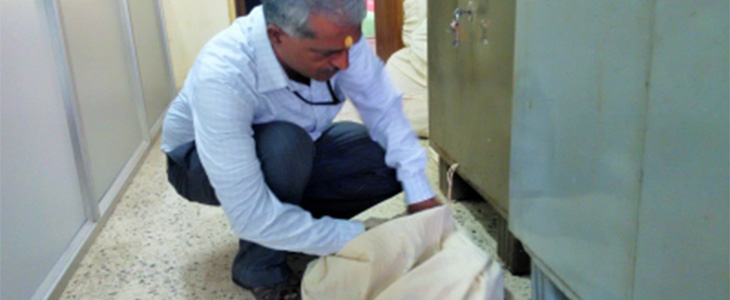
Mary has been doing this thankless task for the past fifteen years. The treasury sends down sacks of vouchers, which she checks individually and corrects errors if any.

Narayanaswami maintains the records of this work. I noticed he was an exceedingly deferential individual. Every time I spoke to him, he would rise from his chair. I waved him down to sit, but he would not. As we discussed, he would rush off, weaving between the sacks of vouchers, yank papers from his neatly arranged cupboards, sit down on the floor and pick out what we wanted from the right bundle of files. 

It is people like Mary and Narayanaswami who kept the accounts updated and ensured that we were not driven insane in our search for the clues of how money travels in the government.

It took me nearly till the end of our first meeting to discover that Narayanaswami, the keeper of the files, our mine of information and documentation, is fully visually impaired.
Expenditures at the Local Level: Untying the Gordian Knot

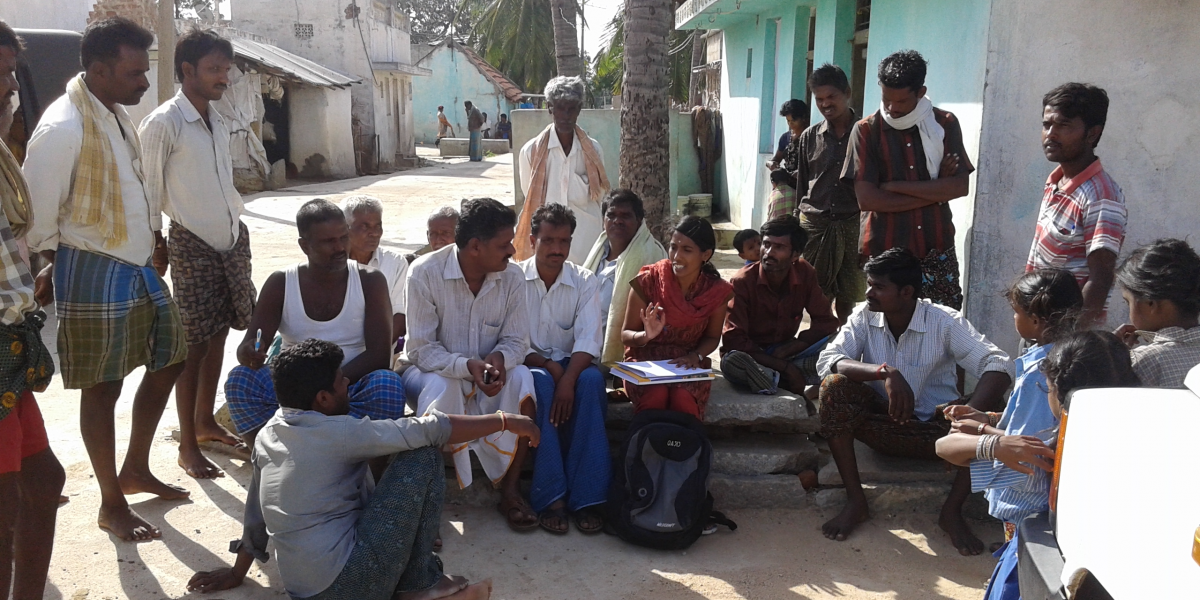
Getting to know how much money is spent in each panchayat by the government, is easier said than done. At first sight, it might sound a simple thing to meet all officials of the departments concerned and ask them to segregate their expenditure on a panchayat-wise basis. Having got our permissions from the District Panchayat CEO, we thought that we had the cat in the bag.

We began to hit air pockets the moment we commenced our meetings with the departmental officers.


Take the office of the Animal Husbandry department, for instance. One of the main activities of the department is to vaccinate cattle and hold free health camps for them. While they have extension centres, they do not have them in every panchayat; therefore cattle are brought from near and far for their treatments. Furthermore, vaccination camps are taken up in the traditional temple festivals, which are always accompanied by animal fairs where several thousand cattle congregate. When vaccinations are taken up here, no records are kept of the villages from where farmers have come with their cattle. Therefore, we had to abandon our search for panchayat-wise expenditure of the Animal Husbandry department.


In the case of the Women and Child Welfare Department, since they maintain Anganwadis (pre-school and infant creches and feeding centres for pregnant and lactating women), expenditure details were available for each one of them. However, two problems presented itself in obtaining this information. For management purposes, the Anganwadis are organised into clusters, each one headed by a supervisor. The cluster is not co-terminus with the boundaries of either the village panchayat or the next level of local government, the taluk panchayat. Therefore, rearranging cluster wise data panchayat-wise, was a tedious task, fraying our collective patience. And what of the expenses of the supervisor? We divided that equally among all the panchayats.


We dealt with the food department by getting details of the essential commodity off-take in each Fair Price Depot and calculating the subsidies on that basis as the expenditure being incurred in each panchayat. That alone totaled to more than Rs. 1 crore per panchayat.


As we went down the list of departments, collecting data, toting the expenditures directly attributable to each panchayat, working out an attribution methodology for the common expenditure incurred on higher level administrative arrangements, we realised that the task of calculating how much money that the government spends in each panchayat was not as easy as it seemed.


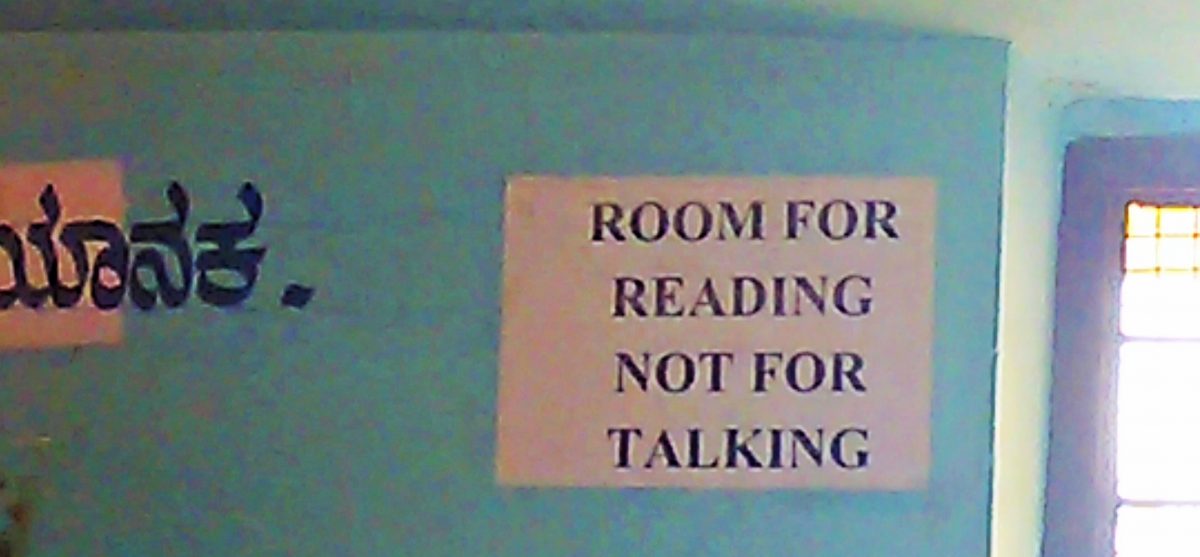
Here we were, a research team of six to seven individuals, wading through large excel sheets, rearranging data panchayat-wise. It took us the better part of a year’s work to get to where we wanted. We often wondered, if we were unable to do this in a short space of time, how was anybody in any panchayat capable of obtaining the same details. No wonder, we took to heart, the curt sign in the Council hall of the panchayat of Oorkunte Mittoor.


PAISA for Panchayats

The PAISA for Panchayats research project extends AI’s PAISA methodology to track fund flows and implementations processes at the Panchayat level. By focusing on understanding the state of fiscal devolution to rural local governments, this paper answers 2 key questions –


  • What are the overall trends in fiscal devolution to Panchayati Raj Institutions (PRI) in Karnataka?
  •     

  • How much money do Gram Panchayats actually receive?

To answer these questions we studied 30 Gram Panchayats in Mulbagal taluk, Kolar district, Karnataka. Our research shows that despite the State’s pioneering efforts in improving intergovernmental fiscal transfers, the system clearly falls short of the State’s vision for effective devolution to Panchayats.

TR Raghunandan (Advisor to AI, co-founder Avantika Foundation, and former Joint Secretary, Government of India, Ministry of Panchayati Raj) explains the motivation behind undertaking this research, the main findings and recommendations to the Government, as well as our plans to extend this work to other states in India.

To read the report, click on the links –

Report Full report

Brief Policy Brief

Teachers’ Strike and the Learning Problem

In the month of April and May 2015, there was hardly any academic work happening in schools in Bihar. Thousands of school teachers teaching in primary and secondary government schools (mainly Niyojit or contractual teachers) went on indefinite strike from April 9 with a specific demands of ‘equal pay for equal work’. The strike ended on May 13. This strike resulted in the delay of admission procedures including the beginning of the next academic year.

Around 3.5 lakhs contractual school teachers went on strike, their demand focused on pay hike and better working conditions, and the regularization of their services (although they can serve this post till 60 year of age, they are not considered as government teachers). Similar protests/strikes by the contract teachers in Bihar have often taken place in recent years for various reasons.

The intent of this blog is not to comment on the validity of teachers’ demands or try to establish any relation between teacher salary and learning outcome, rather focus on the root cause of the contract teacher strike and its impact on learning problem. The blog attempts to explain how the faulty teacher recruitment policy of the state government not only led to these strikes, but the lack of recruitment of good quality teachers by the state government deepen the problem of low learning levels in schools as shown by the ASER reports[i].

The current scenario of school education

Many reports[ii] suggest that in more than a decade in Bihar the number of Niyojit teachers have increased, along with new schools and classrooms. Many government schemes provided scholarships, uniforms and bicycles to students which led to a massive rise in enrollment, including that of girl students. This increase in enrollment of girls, is a great achievement.

One side the progress in infrastructural development has taken place, but at the same time one of the prominent education survey, Annual Status of Education Report (ASER), 2014[iii] says the learning level of children in elementary government schools in Bihar has been declining. This raises a deeper question: despite various development taking place at the school level, why is the learning level of the child not improving?

Amongst many reasons, this blog argues that though the recruitment of teachers- a necessity for school education – has been done by the state government, the recruitment policy adopted by government was faulty and has caused the learning problem in school.

Faulty recruitment policies

Teaching, to a large extent depends on the quality of teacher and their interest in teaching and their skills/capacity. In 2003 due to lack of adequate teachers in schools, the then government passed a resolution for the appointment of Shiksha Mitras at the Panchayat level for a period of 11 months. Their selection was based on class 12th marks and were appointed by the local representative mainly Gram Panchayat chief (Mukhia) for Panchayat teacher, block representatives at block level. The purpose of appointing Shiksha Mitras was to provide a second teacher in schools, where there was only one teacher and an additional teacher where there was more than one teacher. Since 2003, the Bihar government has appointed more than 3.5 lakhs Niyojit teachers who are working on a fixed salary. A major chunk of these teachers were recruited during the term of the Nitish Kumar government (2005-onwards). Their contract got renewed and later in July 2006 they became Niyojit teacher who can serve till the age of 60 years. While their salary was not made equivalent to the permanent teacher, it was increased from Rs1500 to Rs 4000 per month.

Since the beginning of the appointment of these Shiksha Mitras, government compromised with quality. Qualifying exams were not conducted and by making the Mukhiya (Panchayat chief) the appointing authority, nepotism and corruption increased at the panchayat level as well. There were cases[iv] filed in court about the contentious teacher appointment. The major outcome of this faulty recruitment policy was, the number of disinterested and low teaching quality people increased. More than half the total teachers recruited were untrained (till 2012), the highest in terms of numbers amongst other states and little behind Jharkhand (Jharkhand was top in this list) in terms of percentage.[v] The state government has started to give them the opportunity to attend two years teacher training course with IGNOU during their service period. However, in December 2013, when a class 5 level test was conducted for the teachers who attended this course, around one-fourth of the total 43,447 teachers failed in this test.[vi]

This effected the teaching-learning process in the school in which students suffered most. But who got the benefit from this faulty policy? Government benefited the most, as they got teachers in school at very low wage and the second beneficiaries were those who got the job.   

For a government job

Why are people so keen to get a limited contract job for a short period at such a low wage? One reason could be, the high rate of unemployment in the state. Then there are some social and political causes as well for this chaos. Any informal conversation with Niyojit teachers reveals that initially they were only interested in getting a government job and the salary was not as important. They had hoped that once they are inside the system, they would not be thrown out so easily (which became the case later). But once inside the system, their desire changed and later many of them questioned ‘why is the government expecting more from us, even though they do not pay us equal to what the permanent teacher get for the same job. If the government would treat all teachers equally (in terms of salary and other perks) then the learning level would increase’.

Conclusion

The teacher’s strike has ended and due to 2015 being the election year, the government has announced a new pay scale (Rs5,200-20,200) for all the contract teachers from July 2015 onwards. This decision serves the teachers and politicians. The teachers might get happy, along with the ruling party which hopes that this announcement may benefit them in the upcoming election. But one of the main purpose of the recruitment of teachers remains unfulfilled!

The reason is very clear, the learning problem is not dependent only on teacher’s salary (the pay hike of the teacher cannot be denied as they need it for the motivation to work) but it depends more on the quality of teachers and their interest in teaching. Since government has undermined this basic issue and their faulty policy created a bad noise in the school. In this situation the learning levels of children are not going to improve.

For better learning outcomes, the government needs to ensure the appointment of good quality teachers and make sure teachers teach children properly and regularly.


Note: Author of this blog would like to thank Anindita Adhikari and Papia Samajdar for their comments and suggestions.


[i]  (http://img.asercentre.org/docs/Publications/ASER%20Reports/ASER%20TOT/State%20pages%20English/bihar.pdf)

[ii] http://pratichi.org/sites/default/files/Status_of_Elementary_Education_in_Bihar.pdf  and http://www.ideasforindia.in/article.aspx?article_id=42

[iii] (http://img.asercentre.org/docs/Publications/ASER%20Reports/ASER%20TOT/State%20pages%20English/bihar.pdf)

[iv] (http://indiankanoon.org/search/?formInput=shiksha%20mitra%20&pagenum=15 )

[v] (http://www.newindianexpress.com/thesundaystandard/article539657.ece).

[vi] (http://www.ndtv.com/india-news/10-000-bihar-teachers-fail-class-5-mathematics-hindi-test-542537).   

Making the case for expanding Social Security Pensions: States show the way

The country has seen one of the most impressive mobilisations in recent times not by the urban middle class against corruption or farmers on the land acquisition legislation, but of a group that are perhaps most invisible- the elderly and widowed poor who have been organising under the banner of the Pension Parishad[1]. The Pension Parishad is a national campaign that has been demanding the universalisation of pensions for the unorganised sector and increasing pension amounts and has also been highlighting other shortcomings in the implementation of the National Social Assistance Pension Scheme (NSAP)[2].

The campaign represents a 100 million elderly in India who constitute 8% of the population in the country, a figure expected to go up to 12% in 2021. With an overwhelming majority of the population in the informal labour force with very little financial security and over 65% of the elderly dependent on others for their day to day maintenance[3], the case for expanding non-contributory pensions is a strong one.

When thousands of the elderly poured into Delhi and sustained a month long demonstration in the freezing winter of 2012-13 to press for their demands; the government was finally forced to respond. The government then did what the government does best when it is pushed to the wall- it made an assurance that the NSAP would be restructured and set up a task force.

 The TISS-Pension Parishad Rapid Assessment[4]

To provide quick feedback into this restructuring process and an assessment of the status of NSAP implementation and innovations which can be adopted across states, the Tata Institute of Social Sciences and Pension Parishad conducted a rapid assessment of NSAP across 8 states[5], which I was a part of last summer. This was a qualitative study based on group discussions with pension beneficiaries, potential beneficiaries and interviews with elected representatives and local administration around the everyday practices of NSAP implementation. I share a brief summary of the findings here but for the full report keep a look out on the Pension Parishad website.

Not stopping at the line: States relax eligibility and top up pension amounts

Many states have gone beyond BPL criteria and numbers fixed by the Planning Commission and relaxed eligibility. States have introduced their own pension schemes where an income declaration suffices for eligibility thereby increasing the coverage target. In Rajasthan and Kerala, where the BPL criteria has been removed altogether except for very well defined exclusion criteria, exclusion was much lower. However even these states are falling far short of their own expanded targets because of insufficient funds.

Where the BPL criteria still determines eligibility two types of exclusion persisted. First, those who possessed BPL cards and met other eligibility criteria but were still not receiving pensions. Second, exclusion from the BPL list itself. This situation was particularly acute in Gujarat and Assam.

Even as the Central Government has dragged its feet for years on increasing the pension amount from the meagre amount of Rs 200 per month, states have gone ahead and topped up the central allocation. The monthly pension amounts are the highest in AP, Telangana and Haryana at Rs 1000, followed by Rs 500 in Kerala and Rajasthan, Rs 400 in Gujarat and West Bengal and Rs 250 in Assam.

The burden of proof

Two kinds of practices have been adopted across states for proactively enrolling pension beneficiaries. One is the camp mode such as holding ‘khula darbars’ in Haryana and regular gram sabhas in Andhra Pradesh. The other is using databases such as the Rural Household Survey (RHS) in West Bengal to automatically sanction pensions for members of BPL households that meet the old age pension age criteria. Despite these efforts, we found that pension applicant have to produce a multiplicity of documents such as the adhaar card, voter ID, death certificate in case the applicant is a widow, bank or post office passbook etc. to establish their identity and eligibility. This becomes the biggest barrier to access. Of the various documents, disability certificates were the hardest to get. The transaction costs to obtain these documents are high.

Apart from Kerala where facilitation centres have been set up where the applicant is assisted by ward members and tribal promoters in filling the form and getting the required documents, such institutionalised arrangements for end-to-end support in submitting pension applications did not exist in other states.

The timeline myth

Pensioners in Rajasthan, Gujarat and Kerala reported that on an average it takes six months from the time of submitting their application to receiving the pension payment even though shorter timelines of 90, 30 and 45 days have been prescribed by these three states respectively. We did not find any mechanisms for proactively informing applicants about the status of their application which makes the wait all the more harrowing. Rajasthan has made some serious efforts to improve the experience of applicants. Before payments begin, the applicant is given a letter specifying the date of application and sanctioning with a unique registration number. Applicants can then visit the Rajiv Gandhi Sewa Kendras (facilitation centres) to check the status of their application against their unique number.

A return to cash?

With the big push for direct benefit transfers through banks across the country, it was interesting to find that pensioners were happiest with the payment disbursement system in Haryana where pensions are paid in cash by the sarpanch and were perceived to be more reliable, convenient and transparent. In Rajasthan and Kerala post office money orders are the main form of disbursement and are delivered by the post man to households which are unable to come to the post office. In Andhra Pradesh, community service providers (CSPs) make pension payments. This was the only state where we found biometric payments in practice. However, all states with the exception of AP had a poor record of making pension payments on time. Payments are irregular and bunched for variable periods of time making it difficult for pensioners to keep track of which month they have received pensions for. Local administration blamed patchy fund releases from the state as the cause.

A large proportion of pensioners reported receiving their full pension amount, reiterating findings of other studies which point to low leakage in NSAP. Where there is leakage it is limited to petty bribes given to the post-man or intermediaries who help with submitting applications.

The revised NSAP guidelines issued by the Ministry of Rural Development in October 2014[6] takes many of these findings on board and seeks to address them by laying out principles such as universalisation, proactive identification, regularity and transparency. The attention of the government may have shifted to the recently announced Atal Pension Yojana, a contributory scheme is out of reach for many who lack any financial security whatsoever. Social assistance under NSAP will continue to be critical for those outside of this net and what remains to be seen is whether the government holds true on its prior commitment to improve and expand NSAP and provide more effective social security cover to the elderly, widowed and disabled in India.


[1] http://pensionparishad.org/ The campaign also raises related issues of the widowed and disabled 

[2] The NSAP is a Centrally Sponsored Scheme of the Government of India which provides a small amount of financial assistance (Rs 200-500) to the elderly, widowed and disabled in the form of social pensions.

[3] NSSO rounds of data on the Condition of the Aged (2004)

[4] For other studies that highlight similar findings look at the PEEP survey results and a recently published paper by the World Bank

[5] Andhra Pradesh, Assam, Gujarat, Haryana, West Bengal, Rajasthan, Kerala, Telangana

[6] http://nsap.nic.in/Guidelines/nsap_guidelines_oct2014.pdf

Wicked problems; financing environmental services

‘Just letting you know, Raghu’, said my friend, a passionate advocate of participative urban planning. ‘Whatever you do, don’t try to solve the stray dog problem’.

 ‘Where does that come from?’ I asked. I was not expecting that. We were discussing strategies of how to get people interested in coming together to solve their civic problems.

 ‘Stay off stray dogs’, he warned. ‘Once I was involved in a discussion on whether stray dogs should be culled or allowed to roam the streets and within minutes, there was a bloodbath. Everybody was having a go at each other. And united, they had a go at me, because my suggestions annoyed everybody. You can discuss traffic, vendors, the police, streetlights, but never stray dogs.’

 Environmental problems are like that. The spectrum of views on how the government should deal with environmental issues is as infinite as how one deals with stray dogs. The only common aspect of most people who speak on the environment is that they are not willing to budge.

 There is no other issue that threatens our society today more than snowballing and irreversible environmental damage. Governments across the world are at the centre of the storm, as they grapple with problems of climate change, extraction of natural resources, water sharing and pollution.

 While there are several aspects from which one could approach the issue, I propose, over the next few blogs, to address environmental issues from a public finance perspective. That might, initially look like a narrow focus, but it is one that is critically important. Policies of how taxes are levied, shared between levels of government and spent, can alter the way we look at the environment and whether, or how, we protect it.

 In the Indian context, the recent award of the Fourteenth Central Finance Commission (FFC) is a good place to start.

 Like it or not, the FFC award has been a watershed event in India’s public finance landscape. Key decisions, such as the unprecedented hike in the share of States in the Central Revenues from 32 to 42 percent, have been unprecedented. However, a little known, but significant aspect of the horizontal sharing of these revenues amongst the States is that an environmental consideration has been incorporated into the formula that governs it.

 The FFC award determined the following criteria and assigned the weights indicated, for the inter-se determination of the shares of taxes going to the States.

Criteria

Weight (per cent)

Remarks

Income Distance

50.0

This refers to the distance of actual per capita income of a State from the State with the highest per capita income as a measure of fiscal capacity.

Population

17.5

For the past four decades, the Government has directed that Finance Commissions shall rely on population figures as on 1971 where population is a factor for determination of devolution of taxes. This conservative position was because the Government did not want to open a Pandora’s box by creating incentives for States that had exploded in population since then.

Area

15.0

Area has always been a no-brainer, as a criterion for the assignment of finances. A State with a larger area will have to incur additional costs in order to deliver comparable services to its citizens. The FFC did not deviate from the approach of its predecessors and adopted this criterion, while fixing a floor limit of 2 per cent for smaller States.

Demographic Change

10.0

The FFC determined that it was time to recognize the demographic changes that had taken place since 1971, particularly due to Migration, which is an important factor affecting the population of the State, apart from natural factors like fertility and mortality. For that, it determined that an indicator for demographic changes be introduced separately and did so by assigning a weight to the 2011 population, in order to capture the demographic changes since 1971

Forest Cover

7.5


 It is with respect to the issue of forest cover, that the FFC took an unprecedented step forward. The justification of the FFC is best appreciated when quoted fully (Para 8.27 of the report)

 “Forest Cover

Our ToR mandated us to give consideration to the need to balance management of ecology, environment and climate change consistent with sustainable economic development while framing our recommendations (para 6(x)). We recognise that States have an additional responsibility towards management of environment and climate change, while creating conditions for sustainable economic growth and development. Of these complex and multidimensional issues, we have addressed a key aspect, namely, forest cover, in the devolution formula. We believe that a large forest cover provides huge ecological benefits, but there is also an opportunity cost in terms of area not available for other economic activities and this also serves as an important indicator of fiscal disability. We have assigned 7.5 per cent weight to the forest cover.”

 What does this approach mean for the country at large?

 My next blog will look at the significance of this shift, in greater detail.

 And for those who want to know, I like stray dogs, but think they should be spayed to prevent a population explosion.

Imbibing Leadership skills through Institutional Reforms and personal habits

The coming years calls for adopting the new age strategies of bridging leadership and adaptive leadership if civil servants are to make a difference. Training alone cannot make a difference in leadership styles and effectiveness. A combination of training, institutional reforms and adopting some simple personal habits might accelerate this transition in leadership.

In the overarching analysis, the IAS needs to be exposed to competition. It is undeniable that once a civil servant clears the entrance examination, whatever might be the discomfort of the job, the IAS tag itself offers a comfort zone to successful entrants. One cannot expect civil servants to retain their sharpness if all they need to do is to pass one exam and then sail along, largely protected from competition. Besides, over the years, the IAS has been nimble in identifying where the opportunities lie and have moved themselves to the right jobs that emerge through changing times, by changing their internal policies on placement. 

In the licence and public monopoly raj period, the IAS occupied most Public Sector Undertaking postings, particularly in State governments. As many old style PSUs were disbanded and liquidated in the post liberalisation period, the IAS abandoned these and began to occupy the Special Purpose Vehicles created for channelising money downwards. For example, new age institutions such as Infrastructure Development Corporations, Health Missions, Education Missions, became preferred positions for IAS officers to be posted. Similarly, the proliferation of regulatory jobs have offered ample opportunities for post-retirement employment too, to IAS officers. Again it was the self-serving attitude of the service that queered the pitch. The 5th Pay Commission recommended increasing the retirement age to 60 with one caveat; that nobody should hold any government post after retirement and that the break with employment must be complete. The higher bureaucracy engineered the acceptance of the recommendation and ignored the caveat!

The way out is to throw open the bureaucracy to lateral entry. This has already been suggested by the Administrative Reforms Commission and in some sense by the 6th Pay Commission. The same is true of the police, the income tax, the audits and accounts service and indeed, of all permanently recruited bureaucrats. The recommendations in these reports ought to be implemented. I say this without much hope that they will be; all such reforms recommendations are again examined by Committees of Secretaries of the government and they are not going to shoot themselves in the foot, by accepting recommendations that go against their interests as a tribe.

We also need to take specific and conscious measures that reduce the ego needs of the bureaucracy. There are many personal habits and personality traits that reinforce the ego, which officers should eschew as individuals. Many of these are either mentioned or hinted at in the conduct rules, but are ignored in practice. Here are some that I think are important.

The IAS must learn to give credit where it rests. IAS officers must learn to publicly acknowledge the actual individuals responsible for outstanding development. I have seen many IAS officers receiving awards on behalf of their districts or institutions. Rarely have I seen anybody thank their team, or mention the names of those who actually did the hard work. I found it laughable that when NREGA performance awards were given away in Delhi, it was the Collector who is called for the presentation, not the District Panchayat Chairperson, though under the NREGA, it is the District Panchayat that is to approve the Shelf of Projects and the District Programme Coordinators are to assist them. I once saw a brochure on the NREGA published by the district administration, in which the Collector has put his own photograph and taken credit for a programme that is largely implemented by the Panchayats. Such practices of seeking vicarious credit should be discouraged, even ridiculed. Please note that in no NREGA scam unearthed through social audit, has one seen any District Collectors taking vicarious responsibility and offering to go to jail. If IAS officers need to become bridging leaders, they should consciously avoid giving the impression that they are individuals who are destined for a higher order. They will need to give us symbols of separation and power. They could take several steps in their official and personal lives that might look silly, but are deeply symbolic in India’s hierarchical societies. These little things go a long way in changing the equation of leadership. Symbolism is important and one needs to ring in a new era by changing the symbolic grammar of daily interaction.

First, they could avoid discriminatory practices. For example, why have separate officers’ toilets, or separate elevators? Why not instead, ensure that all toilets in the office are clean? For a start, they could have common toilets for everybody in North Block in New Delhi, occupied by the most exalted of India’s mandarins. Similarly, IAS officers must learn not to break queues; even if somebody offers them a place ahead, they need to learn to decline and follow the rules like anybody else.

Second, the IAS could avoid using symbols of rank. The IAS is not an uniformed service. There is no need therefore, for symbols of rank to be adopted. For instance, the IAS officers of a State that prides itself on its egalitarian culture has actually managed to design an IAS flag, which flies ceremonially from the flagpost of their cars when they are chauffeured! Apparently that was because they were peeved with similar habits of their police counterparts. Such ridiculous ego trips should be abolished immediately.

Third, the IAS could adopt habits that do not require a retinue of hangers on. For example, they could carry their own bags when coming to office. They need not have an army of attendants to see them off or receive them at airports. They could drive their own vehicles on off days. They need not keep orderlies informally at home.

 It will be too much to ask for I suppose, that the IAS should avoid putting the ‘IAS’ tag after their names, or on visiting cards. I know how inconvenient that is; that tag opens a lot of doors and is very useful to flash about on occasions.

 Perhaps one will succeed with the suggestion that IAS officers should encourage people to address them by their names, or designations, and eschew the use of ‘Sir’ and ‘madam’.

 No, I don’t think that will happen either.

Can the IAS learn Bridging and Adaptive Leadership?

First and foremost, the IAS needs to consciously work on curbing swollen heads within their tribe.

By all means, let there be a genuine celebration of the fact that people have cleared a tough examination to enter the hallowed service. However, following that, it is important to develop a sense of equanimity and not let pride turn into arrogance. One should not, either covertly or overtly, reinforce or support the belief that IAS officers are a cut above the rest, that they are successors to the ICS and that it ought to comprise of strong individuals aloof from the people, able to deliver justice with an even hand and therefore rule over people. This of course, cannot be achieved through delivering homilies on humility. What could be done is to avoid calling maverick officers from the field to boast about their exploits, during training sessions. The ‘effective SDO’ and ‘effective DC’ seminars in the IAS training academy at Mussoorie tend to do this. They are all about ‘I, me and myself’ and such displays of unverified examples of IAS effectiveness should not be paraded before fresh entrants. 

Second, there is a need to build a genuine respect for democracy, within the IAS.  There has to be a really good grounding in the concept and practice of democracy. Skills for implementing one or the other programme can be taught, but is important to build the attitude of respecting democracy. Bureaucrats have always inwardly tended to ignore the importance of democracy; yet there is nothing more valuable for a country struggling to erase years of poverty and discrimination. While the way that democracy is practiced in India has many grievous faults, there is a need to stop sneering and scoffing at it and actually plunge into a dispassionate study of what works and what does not, with democratic discourse being a non-negotiable. There are some very interesting new practices emerging in informed public democracy, such as deliberative democracy, which offers new opportunities in India and which can be adapted by the sensitive and caring civil servant. Building a positive attitude to democracy and to remain positive, whatever the provocation from the immediate environment might be, is an important aspect of building adaptive leadership.

Within the overall goal of building a respect for democracy, there has to be a good grounding in the theory and practice of decentralization. The LBSNAA does not earmark sufficient time for a deep study of decentralization. I say this with some pain and resignation, born out of experience.

In 2008 and 2009, when there was a collaboration between the LBSNAA and the Duke University in designing and conducting the Phase III programme for IAS officers of eight years of seniority, I was tasked to design and conduct a 4 day optional programme on decentralization.  The programme was much appreciated and received 96% marking in the evaluation by participants, the highest for any optional programme. Yet, when the Duke University collaboration came to an end, the time allocated for decentralization was reduced to half a day. I still continued to deliver those half day lectures!

One of the reasons why IAS training programmes tend to ignore a study of decentraliastion is because they tend to equate the larger idea of decentralization with the nuts and bolts of running the Panchayat system. It is also due to the IAS’s un-wavering conviction that whatever else one might do for decentralisation, it should not topple or undermine the post of the district collector. Therefore, unfortunately, very few IAS officers have read contemporary literature on local government related institutional design, public finance, politics and democracy, in order to develop an objective understanding of how a multi-tiered government system is structured and how it runs. Generally IAS officers have a symptomatic appreciation of decentralization and give up hope on it based upon adverse personal experience, anecdotes and generalisation. Nothing could be further from reality. Decentralisation is a vast field of study. In its broadest sense, it encompasses federalism and indeed, is a study of inter-governmental relations. Knowing decentralization is as critical as understanding globalization.

 In training civil servants on decentralization, they must have several opportunities to be exposed to the elected representatives of local governments, so that they cleanse their minds of the wrong stereotypical images they might carry. Civil servants would find it fascinating how local government representatives build their political capital by negotiate through a dysfunctional system full of institutional contradictions and the wrong incentives. Exposure to people on the other side will certainly build empathy and an attitude of respect, in the minds of civil servants. It will also hopefully wean them out of the steadfast belief in the District Collector being the sole benefactor of the District. They will hopefully realize that decentralization means something more than agencification of Local Governments to do their bidding. They will need to learn the tough lesson, that development might flower if they step out of the way. Above all, they might realize that promoting and supporting decentralization offers tremendous opportunity to develop and utilize valuable skills of adaptive leadership.

 As a part of this training, the field assignment would also need to be reworked, so that civil servants, when they do their attachments with the Panchayats, do so not at the behest of District Collectors, but are placed with the Zila Parishad President for being deployed to the Panchayats. There are several Panchayats that have achieved extraordinary success in governance and civil servants should be sent to these, independent of the district collector, to gain a true understanding of the grassroots reality.

Bridging Leadership and the Civil Servant

While some aspects of dysfunctionality within the government system have been built up through several civil-servant driven decisions that go against fundamentally accepted principles of federalism and decentralization, the civil servant cannot be blamed for all weaknesses of the governance system. Moreover, it would be unfair to cast the blame on each new crop of civil servants for the mistakes of her predecessors. Today’s administrative system is a challenging environment, with many stakeholders and interests that are often at loggerheads with each other. Even as fractured systems are being rationalized, a civil servant in the field has to deal with situations that arise, there and then. This brings us to the next question, which is whether civil servants can consciously cultivate the qualities required to be an ‘adaptive’ or ‘bridging’ leader.

 One of the key attributes for a successful bridging leader is to have low ego needs. However, here, the civil servant, particularly the IAS, starts off with a distinct disadvantage. There is nothing in the training, upbringing and work environment of the IAS officer that teaches an individual to cultivate low ego needs. On the other hand, right from the day that they clear a tough competitive examination to enter the service, IAS officers are catapulted to stratospheric heights. They are the objects of adulation and envy feted by their castes, states, districts, towns and villages. Society celebrates the IAS officer, far out of proportion to his achievements. The fat dowries offered for his hand, the exalted traditional bowing and scraping that still survives in the name of official tradition in many States, the awe in which junior officers hold their IAS colleagues or bosses, are very dangerous for the ego. Most officers go into the field to take up positions that are legacies of the colonial era, occupy bungalows left behind by the British and rule the district in exactly the same way that their ICS predecessors did. It takes a very level headed individual to not allow these factors to go to her head. Thus it is difficult for IAS officers to imbibe the attribute for having a low ego need. In other words, IAS officers are critically disadvantaged in becoming bridging leaders. Those who do become such leaders are exceptions, having the strength of character to not get carried away by the fuss that society makes over them.

 The question then remains as to whether officers can be trained to become adaptive or bridging leaders, who can smoothen out conflict, harmonise diverse interests and also motivate and protect other individuals so that they can perform acts of leadership. I believe that one single training programme or strategy cannot result in the personality attributes that are required for individuals to imbibe these skills. To become a good leader is a process of daily growth, which happens through a combination of training, response to the environment and internal discipline. It requires a nurturing environment, in which training is but a part, for officers to grow these skills.

One way to start is to look at the divergent democratic cultures of discourse that prevail in different States. IAS officers know this well. In some States where there is a more egalitarian culture of interaction and discourse, IAS officers generally tend to have lower ego needs. They tend to be less arrogant and more accommodative of different views. At first sight it is easy to dismiss this as the existence of a feudal culture in some states, which probably has a correlation with low human development indicators. However on a closer look this is not so. There are States where high human development indicators coexist with a culture of political personality cults and hierarchical relationships between members of the civil service based upon that critical identifying criterion, the batch of selection.

Taking from these observations, I have listed a few things that could be done in (a) the training space, (b) in the overall design and structure of the civil service and (c) in terms of changing the personal habits of individual in the civil service. If these are followed, we have a better chance of the kind of qualities required for an adaptive, bridging leader to flower.

More of that, in my next blog.

Chhattisgarh Survey- Observations from the field

Accountability Initiative (AI) has finished the field work for Chhattisgarh PAISA survey. Nearly two months of field based activities, preceded by months of preparatory work is complete now. Actual roll out of the survey happened in the first week of July and continued for a month, Chhattisgarh PAISA study is a joint initiative of Chhattisgarh Government, UNICEF and Accountability Initiative. We want to know how much of the money that is allocated by the Indian Government and State government for some of its flagship social sector schemes reaches the last mile beneficiaries, and whether the money reaches the beneficiaries on time. Programmes for which the survey was undertaken include Sarva Shiksha Abhiyan(SSA), Rashtriya Madhyamik Shiksha Abhiyan(RMSA) , Mid-Day Meal(MDM) and the supplementary nutrition (hot cooked meals) component of the Integrated Child Development Scheme(ICDS). The data collection involved having face-to-face interviews with some of the key stakeholders like the headmasters, anganwadi workers, ration shop dealers, people who matter most in the micro level implementation of these schemes.

Data was collected for two months during the field survey from over 240 villages in four districts of Chhattisgarh through engagement of more than 250 citizen volunteers. Accountability Initiative’s researchers and PAISA associates spent days after days in the districts and capital of Chhattisgarh in the last 9/10 months. They spent the days talking to government officials for understanding the social sector schemes in the state, liaising with civil society organisations for engaging citizen volunteers and testing the tool kits that was used in the course of the survey. Some of the districts, as we have been told by the locals, are really ‘risky’ to work on the ground. But thankfully AI staff members did not encounter any kind of untoward incident in these so called ‘risky’ districts. On the contrary the local people were extremely hospitable and helpful in their behavior.  Remoteness of some of the blocks spread across all the four districts where the survey was conducted namely Rajnandgaon, Jhanghgir Champa, Surajpur and Bastar as well as hazards due to heavy rainfall although created some momentary  bottlenecks but were not strong enough to dampen the enviable zeal and commitment of AI team members and citizen volunteers.

60 villages from each of the four districts were selected in a way that these village are spread across blocks with and without significant proportion of tribal population. Citizen volunteers were selected from these districts and were trained on the survey tools and data collection technique in a week long training programme, imparting both theoretical knowledge and hands on survey experience from the field through pilot testing of the tools. Cohort of the citizen volunteers involved an interesting mix of people. Some of them were seasoned social workers having been involved in many surveys before and a significant number of the volunteers were college and university students. Thorough networking with district and block level government officials were undertaken, thanks to the help extended by the State Government and UNICEF team at Raipur.

Data analysis is planned over the next months and report would be ready by the middle of next year. Although data will tell the story of the actual realities on the ground, AI staff members gathered immensely valuable experience about the ways the government sponsored schemes actually work and get implemented in the field.

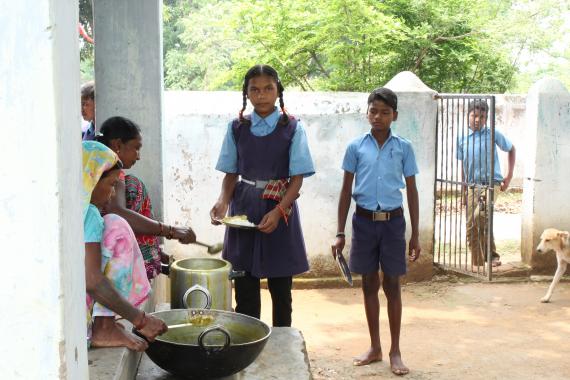
School management meeting was going on and I observed that some of the parent members of the committee from tribal communities were extremely diffident and shaky in entering the meeting room. Immense joy was noticed on the children’s faces at the ringing of the bell announcing the mid day meal. Two of the ICDS workers in a village could not resist complaining, about the paltry sum of money being given to them as fuel cost. In one of the villages, schools and ICDS centres were wrapping up quickly for the day to take part in the post funerary rights of the ex gram panchayat head as a mark of respect. These are some of the observations which did strike me on the field, which I think have different connotations worthy of exploring further.

Nuances are many, interpretations could be manifold but what does matter is to urgently iron out some of the very basic problems of these schemes as the precious time of the children’s lives, like tide, will wait for none and certainly not for the innumerable bureaucratic rules and paraphernalia.