
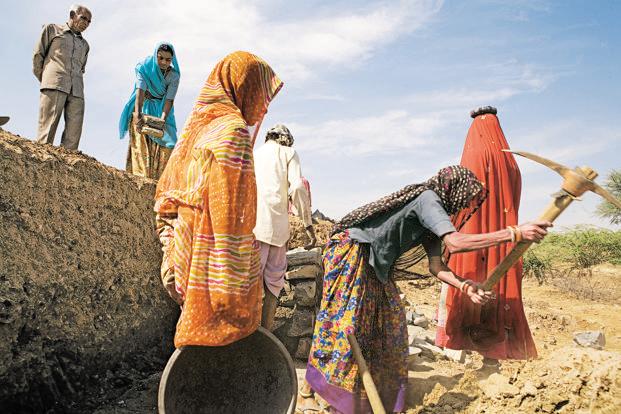
There were a lot of expectations from Budget 2017. The demonetisation on November 8, and the chapter on Universal Basic Income (UBI) in the Economic Survey had raised our hopes for a big bang announcement on the social sector. Partially, I admit, this expectation was premature. UBI is complicated at best, something recognised by the Economic Survey as well, and the ‘benefits’, if any, of demonetisation are yet to be realised. The net result is thus status quo for a majority of the schemes under the social sector.
Tag: Union Budget
A status quo budget for the social sector
It should lay to rest the ongoing debate about this government’s attempt to radically restructure India’s welfare architecture.
Three Years On, the Modi Government Still Has Gaping Holes in its Social Policy
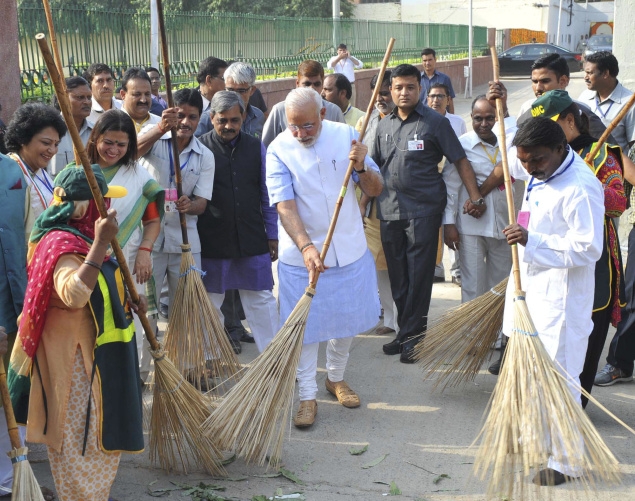
Despite emphasis on ’empowerment’ over ‘entitlements’, which comes with its own set of problems, health and education remain invisible in the Modi government’s social policy agenda.
In the Garb of Promoting Federalism Has the Centre Diluted Its Duty to National Priorities?
A rethink of the role of the centre to go beyond current effort of tinkering with financing instruments and return to first principles can determine an optimal allocation of functions across all levels of government within a federal structure.
Social Sector Investments in Budget 2016 No Different Than Previous Year
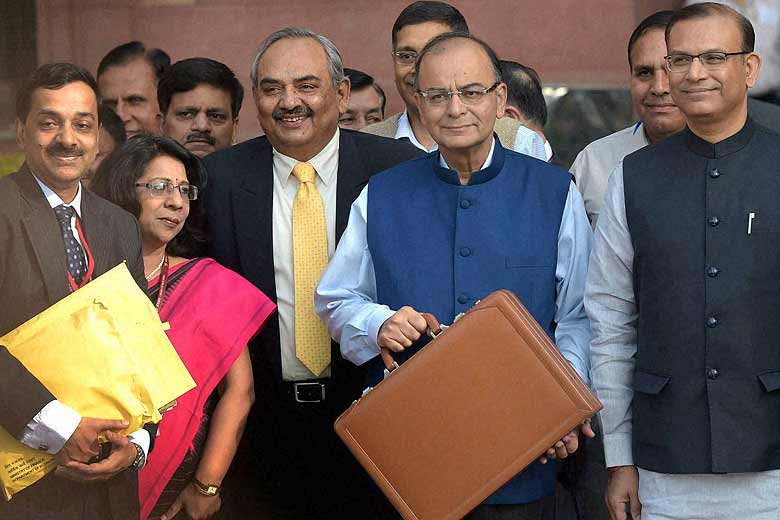
Arun Jaitley’s Budget was high of rhetoric, but this doesn’t quite add up to a clear vision and narrative for social policy. Overall, social sector expenditure, excluding rural development, has indeed increased – by 6%. The increases are marginal, especially if we compare 2014-15 revised estimates (RE) with the current budgeted estimates (BE).
Pull, not push, to open up spending

In the run-up to every budget season, public debate on social sector schemes inevitably turns to the question of the paltry sums allocated. True to script, the question of allocations and potential budget cuts is already making headlines. What gets relatively less attention is the issue of how well the government spends even the limited sums of money that it does commit. In recent years, there has been some debate on the question of outcomes—especially in sectors like health and education. Indeed, this annual budget series is an effort to engage with precisely this question.
Deconstructing Union Budget 2015-16: what has changed?
The budget has left unanswered some critical questions about the future of key social sector schemes
How Will—Unprepared—States Handle A $29-Billion Budget Bonanza?
Mind the gap—and find the money to bridge it
Policy goes missing amid slogans
In villages where the number of households as per the baseline survey is less than the actual households, the toilet building exercise poses an allocation challenge: Who gets the limited number of toilets?
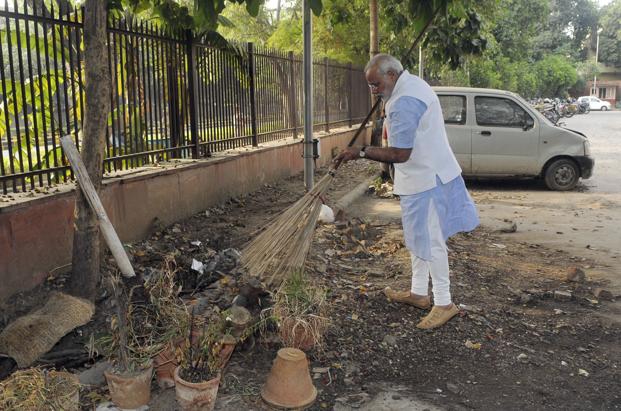
Sloganeering apart, one interpretation of this government’s approach to social policy is that it quite simply doesn’t want to have one