
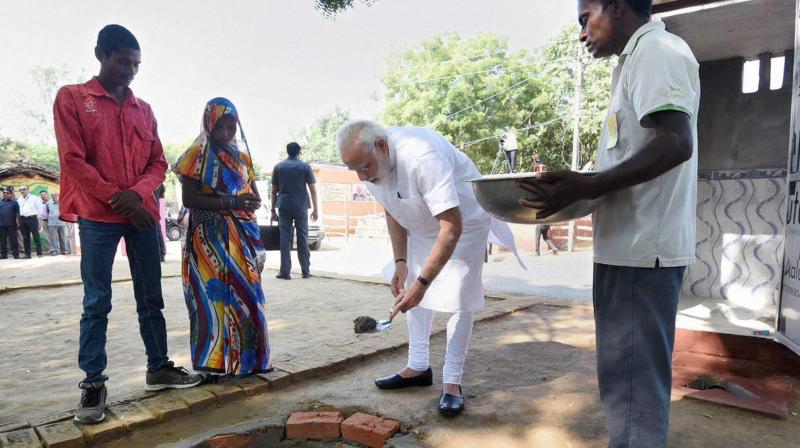
Meeting sanitation targets is important but targets alone won’t mean much unless the people buy into the messages behind the toilet talk.
Category: Articles
3 years of Swachh Bharat: 2.5 lakh villages declared open defecation free, but 1.5 lakh claims not verified
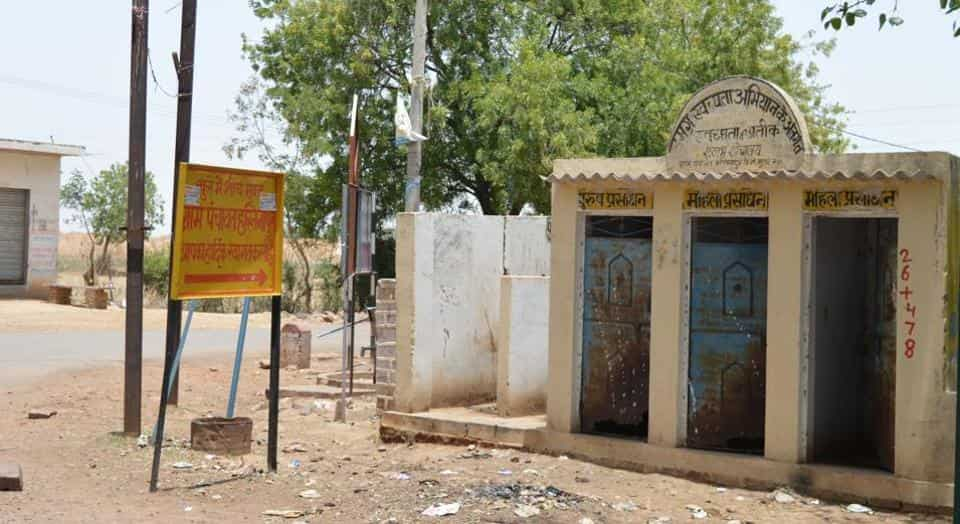
While the government’s data reveal substantial progress over three years, experts pointed out much of these claims were not verified.
Gorakhpur tragedy a reminder of all that ails India’s public funds management
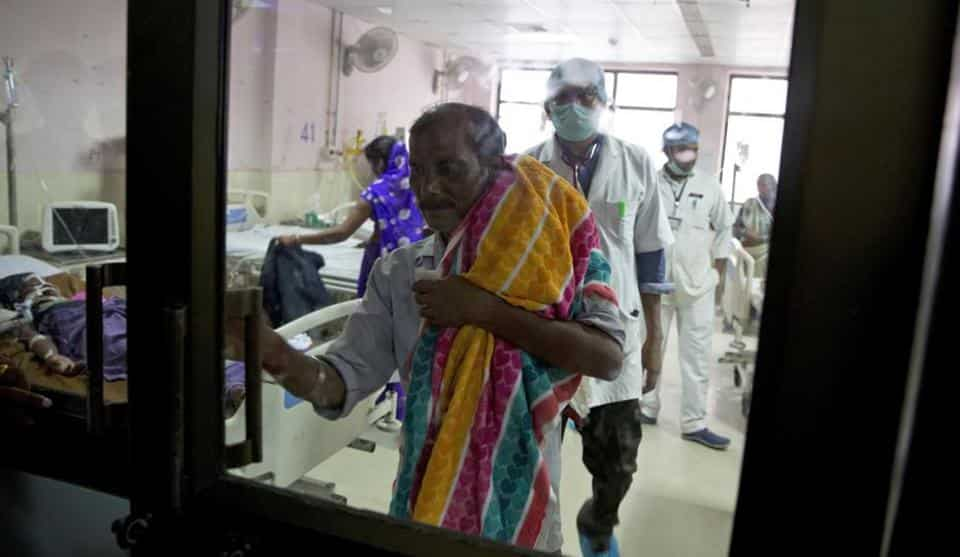
For years, red tape has meant that departments have failed to secure and utilise all of their funding, which has often led to critical work being affected.
Why the world’s biggest school system is failing its pupils
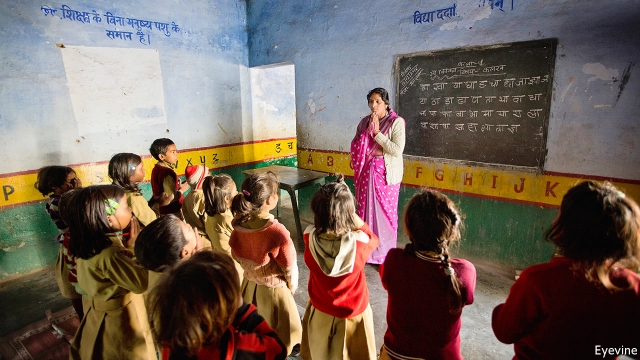
More Indians are attending school than ever before. But they are not learning much.
Nine states including UP, MP and Rajasthan suffer worst healthcare in India
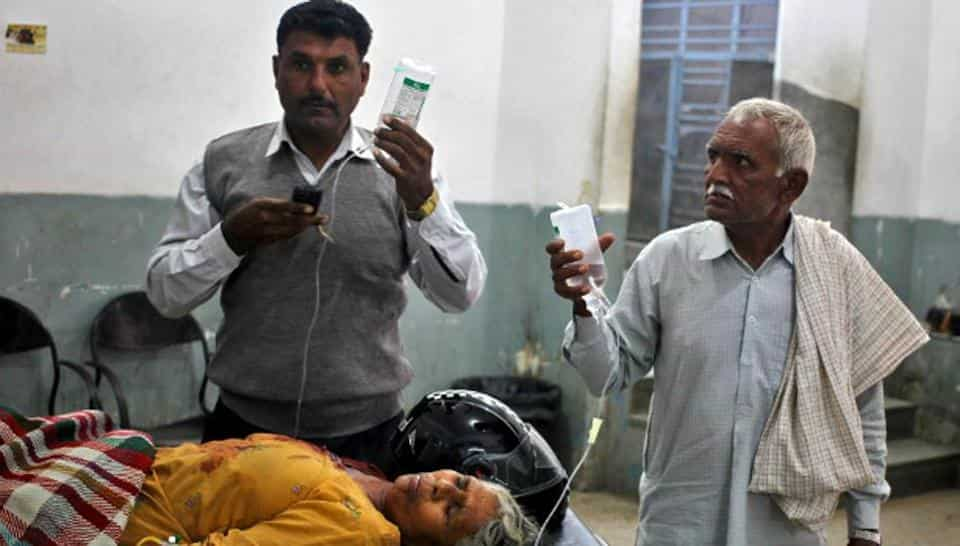
Nine of India’s poorest states–home to 581 million or 48% of India’s population–account for 70% of the country’s infant deaths, 75% of under-five deaths and 62% of maternal deaths.
Right to Education: No sweeping change yet
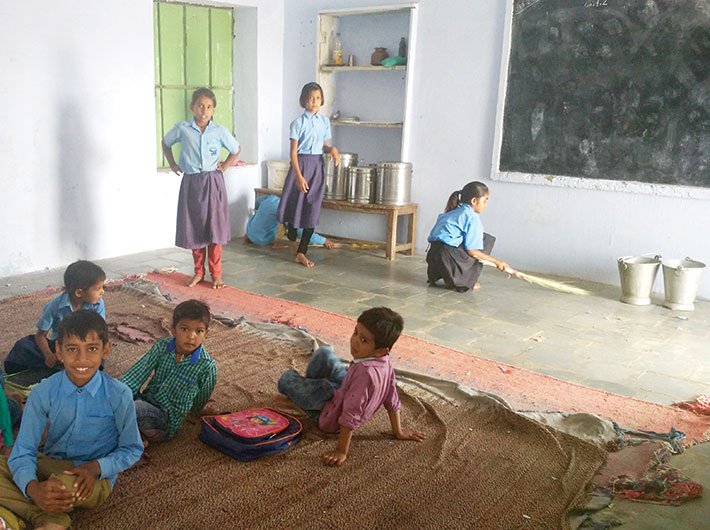
Yamini Aiyar in GovernanceNow on the importance of accountability in school education to improve learning.
Union Budget 2017 was a status quo budget for the social sector
There were no surprises—no helicopter drop of money into Jan-Dhan accounts, no move to dismantle ongoing welfare schemes in favour of a universal basic income (UBI). Far from being the populist, game-changing budget that many had expected, Union finance minister Arun Jaitley presented a sombre, status quo budget which, apart from some tinkering with allocations, offers no vision and agenda for social policy, especially when it comes to core sectors like health and education.
Status quo for majority of social sector schemes
There were a lot of expectations from Budget 2017. The demonetisation on November 8, and the chapter on Universal Basic Income (UBI) in the Economic Survey had raised our hopes for a big bang announcement on the social sector. Partially, I admit, this expectation was premature. UBI is complicated at best, something recognised by the Economic Survey as well, and the ‘benefits’, if any, of demonetisation are yet to be realised. The net result is thus status quo for a majority of the schemes under the social sector.
Three Years On, the Modi Government Still Has Gaping Holes in its Social Policy
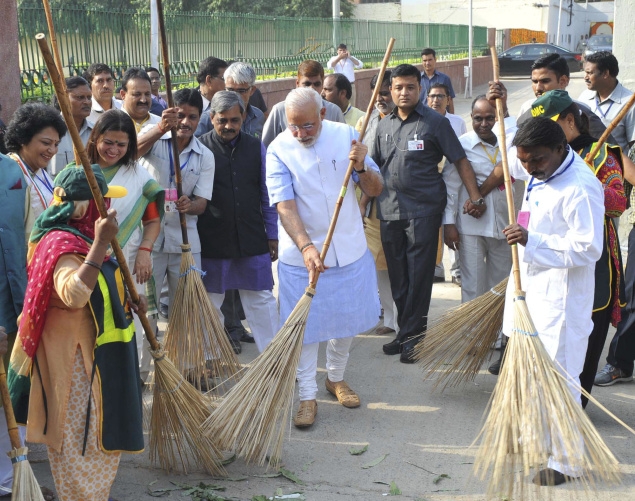
Despite emphasis on ’empowerment’ over ‘entitlements’, which comes with its own set of problems, health and education remain invisible in the Modi government’s social policy agenda.
The Post Office Paradox: A Case Study of the Block Level Education Bureaucracy
Elementary education administrators at the block level primarily perceive themselves, or report themselves to be, disempowered cogs in a hierarchical administrative culture that renders them powerless. They refer to their own roles and offices as “post offices,” used simply for doing the bidding of higher authorities and ferrying messages between the top and bottom of the education chain.
Using the case of education delivery, this paper attempts to probe an administrator’s perspective in resolving the implementation problem at the last mile and is based on detailed primary fieldwork in Bihar and Andhra Pradesh along with some quantitative surveys conducted in Rajasthan, Maharashtra and Himachal Pradesh. It endeavours to trace the “cognitive maps” of administrators by capturing how last mile public servants see themselves and their jobs, and how notions of job performance are internalised and interpreted within the administrative context of elementary education in India.