

On the 1st of February 2017, the Finance Minister will present his 4th budget to the nation. Like every year, the budget speech will be followed by a slugfest as political parties and commentators argue over stated priorities and budget allocations. The debate is particularly shrill when it comes to social sector schemes as politicians and commentators can never quite agree whether allocations in a given year are too high or too low. But for the average bureaucrat and the aam junta—the actual beneficiaries of these contentious social schemes—these debates over budget estimates are meaningless.
Category: Op-Eds
Efforts to improve learning must go back to basics
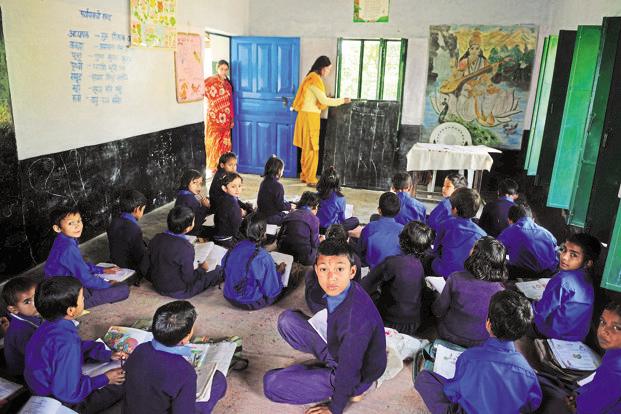
An important ask of budget 2017 is a reformed Sarva Shiksha Abhiyan with a commitment to achievable learning goals and the speedy transfer of money.
Competing for better health?
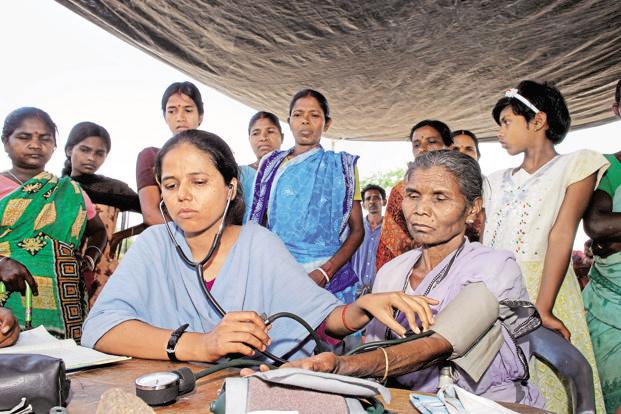
quality of healthcare, regardless of whether this is provided in the private or public system, is the elephant in the room.24/01/2017
Poor quality of healthcare, regardless of whether this is provided in the private or public system, is the elephant in the room.
The many lessons from Swachh Bharat
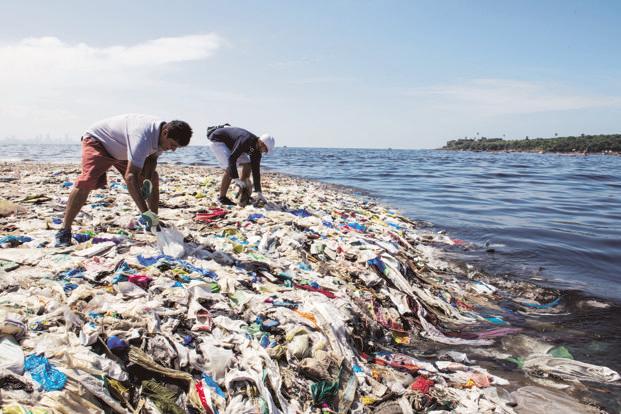
The lack of institutional capacity at the grassroots to deliver sanitation services is the key binding constraint to achieving Swachh Bharat.
In the Garb of Promoting Federalism Has the Centre Diluted Its Duty to National Priorities?
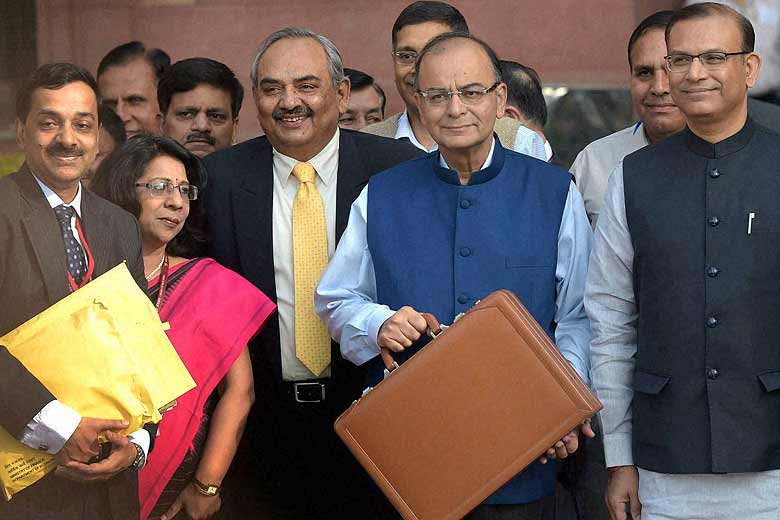
A rethink of the role of the centre to go beyond current effort of tinkering with financing instruments and return to first principles can determine an optimal allocation of functions across all levels of government within a federal structure.
Social Sector Investments in Budget 2016 No Different Than Previous Year
Arun Jaitley’s Budget was high of rhetoric, but this doesn’t quite add up to a clear vision and narrative for social policy. Overall, social sector expenditure, excluding rural development, has indeed increased – by 6%. The increases are marginal, especially if we compare 2014-15 revised estimates (RE) with the current budgeted estimates (BE).
Fiscal Reform Needed For Panchayati Raj Institutions to Work Better
The complex intergovernmental fiscal transfer system is neither designed nor operationalised to fulfill its own vision of devolution to panchayats.
Swachh Bharat Mission’s Success Is Greatly Exaggerated
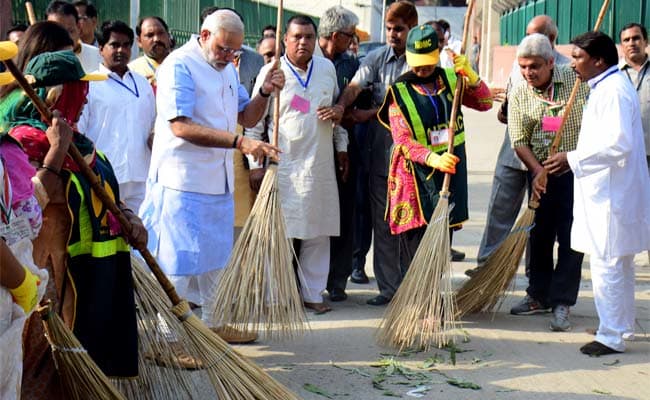
October 2, 2016 marked the second anniversary of the launch of Swachh Bharat Mission (SBM) – an event that most will remember for the photo-ops of the Prime Minister sweeping the streets of Lutyens Delhi. For those of us who have been following sanitation policy, this photo-op was, in fact, a watershed moment. It marked the first time that an Indian Prime Minister had chosen to stake his political capital on an issue as unglamorous and complex as sanitation. This political moment was an opportunity that most sanitation enthusiasts had been waiting for.
So how well has the Prime Minister been able to convert this high-voltage sanitation campaign into sustained action on the ground? Read this article for more.
Part 2: Education reform and frontline administrators: A case study from Bihar
The frontline administration in India is infamous for corruption and patronage, indifference towards citizens, low effort and high absenteeism. This blog reports findings from a year-long qualitative study on frontline education administrators in Bihar.
Part 1 captured perspectives of frontline administrators on their role in the education hierarchy and how organisational design and culture shapes everyday behaviour. This part offers insights into how the frontline responds to reform efforts, and how this impacts institutionalisation and scaling up of reforms.
Education reform and frontline administrators: A case study from Bihar – II
The frontline administration in India is infamous for corruption and patronage, indifference towards citizens, low effort and high absenteeism. This column reports findings from a year-long qualitative study on frontline education administrators in Bihar.